Mechanical ventilation
Fresh air, windows closed.
A well-insulated home needs controlled ventilation: it removes moisture and stale air and brings in fresh air. A system D also gives back 85 to 92 % of the heat. A must with a heat pump.
of the heat in the outgoing air recovered by a system D, at best
of moisture produced per person each day, to be removed
at the grilles of bedrooms and living room, generally
VAT on the installation in a home over 10 years old
How it works
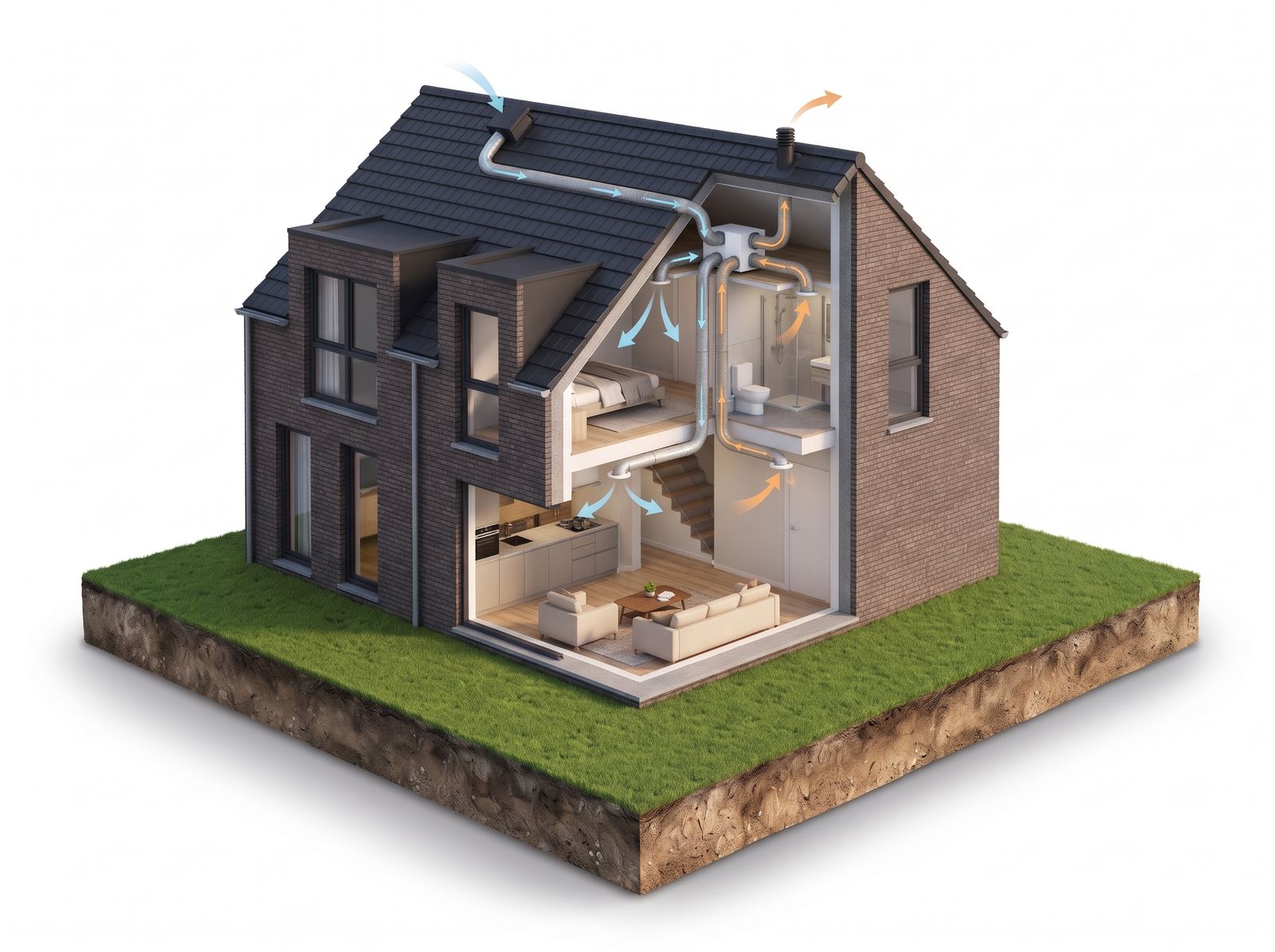
System D, room by room: fresh air in the living rooms, stale air out of the wet rooms, the heat kept inside.
Fresh air comes in
A duct brings outdoor air to the central unit, where a fine filter stops dust and pollen.
The exchanger warms it
In the heat exchanger, the outgoing air gives its heat to the incoming air without ever mixing with it: 85 to 92 % is recovered.
It is blown into the living rooms
Living room and bedrooms receive fresh air through discreet valves. The unit runs at 25 to 35 dB in the technical room.
Stale air leaves the wet rooms
Kitchen, bathroom and toilet are extracted continuously, which removes moisture and smells. A system C does this part alone, with window grilles for fresh air.
Is it right for my home?
What it brings
- Healthier air: less moisture, mould and CO2, better sleep and concentration
- The heat stays inside: 85 to 92 % recovered with a system D
- The partner of a heat pump, which works at low temperature in an airtight home
- Required in a heavy energy renovation
What we check at the visit
- System C or D: according to your insulation, the room for ducts and your budget.
- The route of the ducts, through false ceilings, cupboards or shafts: a 3D plan before the works.
- No room for ducts: decentralised units, room by room.
- An existing system: deep cleaning, a new control or a new central unit, keeping the ducts.
What we install
Our range
Three ways to ventilate, chosen for your home and the room available.
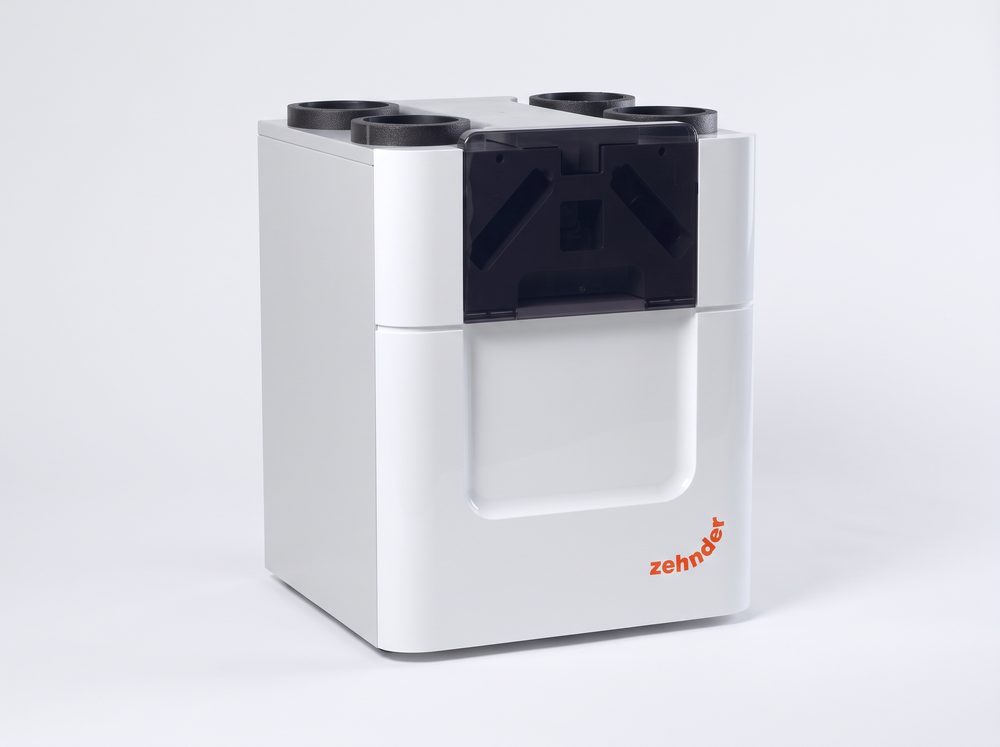
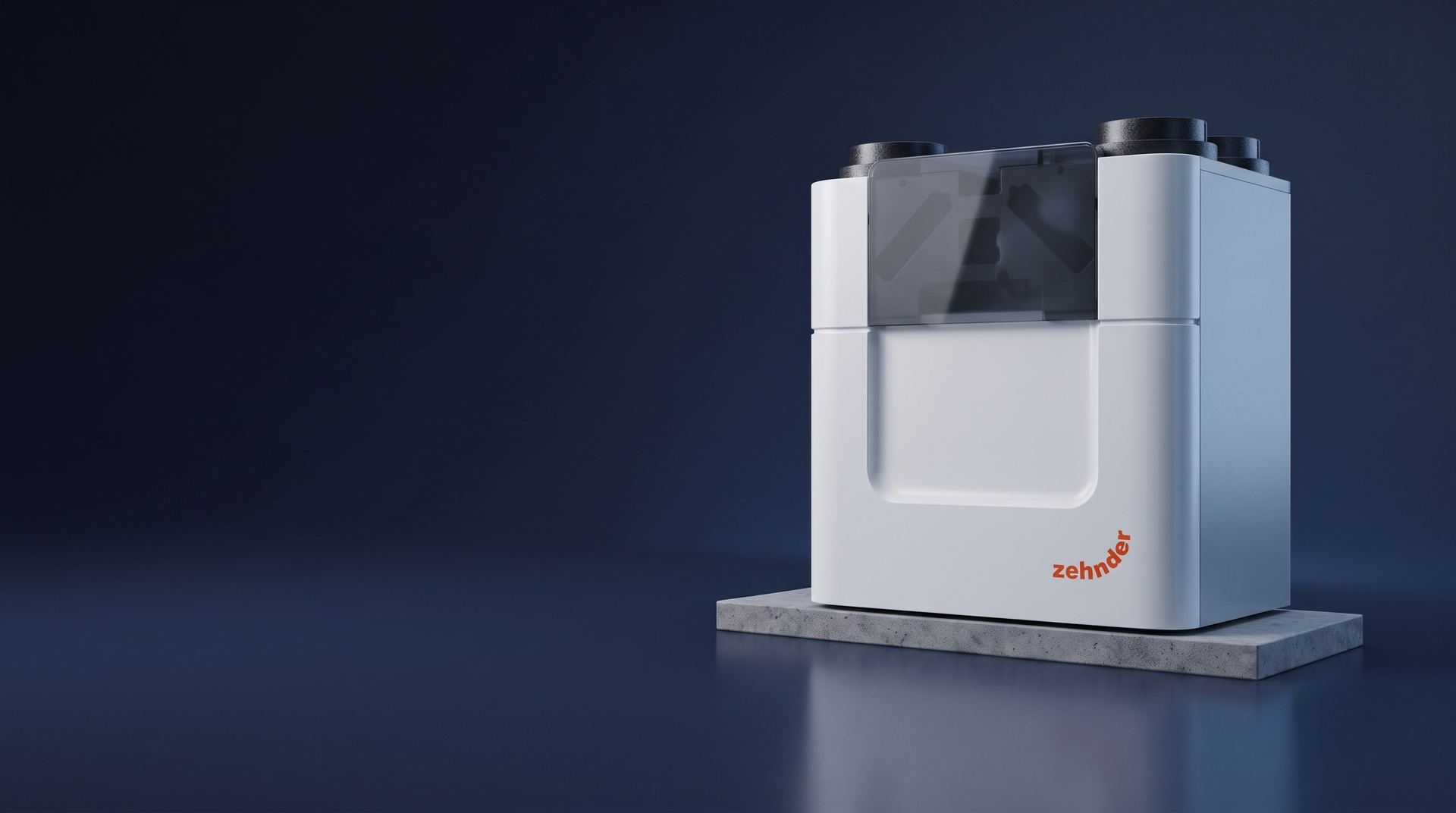
Zehnder ComfoAir Q
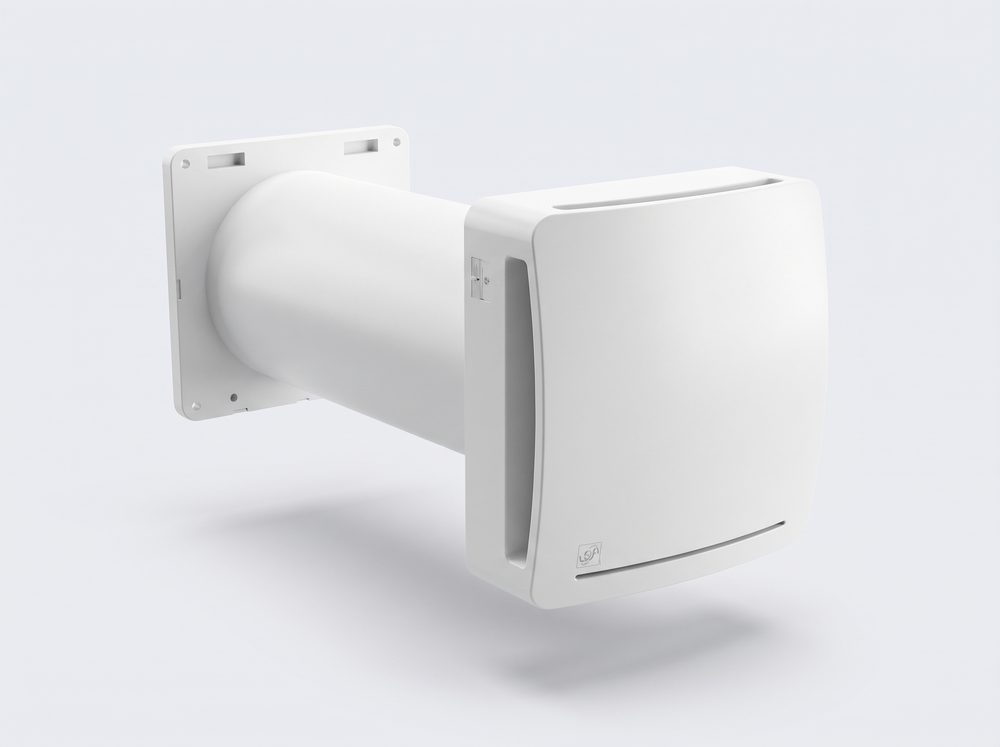
Soler & Palau Respiro
Other ways to a comfortable home

Subsidies and 6 % VAT
Depending on your region and your income, a system D can be eligible for a subsidy. In a home over 10 years old, the reduced 6 % VAT usually applies. We calculate everything and apply it on your quote.
Your project in four steps
Free visit and advice
Within 7 days. We look at your insulation and the room for ducts, and advise system C or D.
Quote and subsidies
A clear quote, subsidies and VAT already counted.
Installation
By our technicians: 2 to 5 days for a system C in a renovation, 1 to 2 weeks for a system D.
Commissioning and follow-up
Flows measured room by room according to the EPB standard, the report for your EPB file, then maintenance by the same team.
Frequently asked questions
Is mechanical ventilation really needed in a renovation?
In a heavy energy renovation (at least 75 % of the envelope), yes: it is a legal requirement. For smaller works it is strongly advised: modern insulation without ventilation leads to moisture, mould and poor air. With a heat pump it is also key to the efficiency.
System C or D: which one?
System C costs less and is simpler to install in a renovation: no heat recovery, but no heavy works. System D recovers 85 to 92 % of the heat: ideal in a new build, a full renovation or with a heat pump.
How much heat does a system D recover?
85 to 92 % of the heat of the outgoing air passes to the fresh air. The exchanger is counterflow or rotary: counterflow is more compact, rotary slightly more efficient.
Is it noisy?
Modern units run at 25 to 35 dB in the technical room, like a quiet fridge. At the grilles in bedrooms and living room you generally hear nothing (under 20 dB). We size the silencers and the duct insulation for your home.
How often should the filters be changed?
The coarse filter (G4) is vacuumed every 3 to 6 months and replaced every 12 to 18 months; the fine filter (F7, pollen and fine dust) is replaced every 6 to 12 months. Connected units warn you.
Can a system D go into an old terraced house?
Yes, in most cases. The ducts pass through false ceilings, cupboards or shafts, and a 3D plan shows beforehand exactly where. Without continuous ceilings, decentralised units room by room avoid the ducts.
Can you renovate an existing ventilation?
Yes. Often the system works but is dirty or its control is outdated. Three options: deep cleaning with a modern control and new filters, a new central unit keeping the ducts, or a full replacement.
Who does the maintenance?
You clean or replace the filters. We come every 1 to 2 years: exchanger, fans, flows and, every 5 to 7 years, the ducts. With a heating maintenance contract, we combine both visits.
A building or a business?
Co-ownerships, offices, schools: one point of contact from the study to the maintenance.
Learn more